Choosing the right season is one of the most important parts of planning your Annapurna Base Camp Trek. The Annapurna region can be visited throughout the year, but weather conditions, trail conditions, mountain visibility, temperature, and the overall trekking experience vary significantly from season to season.
The best time to trek to Annapurna Base Camp is generally during spring (March to May) and autumn (September to November). These months usually offer pleasant trekking conditions, clearer skies, beautiful mountain views, and relatively stable weather.

However, every season has its own unique attractions. Some trekkers prefer the colorful rhododendron forests of spring, while others choose autumn for crystal-clear Himalayan views. Winter offers a quieter trail and a peaceful mountain experience, while the monsoon season brings lush green landscapes and fewer tourists.
Autumn Season: September to November
Autumn is considered one of the best seasons for Annapurna Base Camp Trekking. The monsoon normally finishes by September, leaving the countryside fresh, green, and beautiful.
During October and November, the weather is generally stable, and the skies are often clear. This provides excellent opportunities to enjoy spectacular views of Annapurna South, Machhapuchhre (Fishtail), Hiunchuli, Gangapurna, and other Himalayan peaks.
The daytime temperatures at lower elevations are comfortable for walking, while the higher elevations become colder, especially in the early morning and evening.
Autumn is also a popular trekking season, so the trails and teahouses can be busier than during other times of the year. Trekkers who want to enjoy the best combination of weather, mountain views, and comfortable trekking conditions should strongly consider October and November.
Spring Season: March to May
Spring is another excellent season for the Annapurna Base Camp Trek. From March to May, the weather gradually becomes warmer, and the trekking trails become more colorful.

One of the biggest attractions of trekking in spring is the blooming rhododendron forests. The hillsides can be covered with beautiful red, pink, and white flowers, making the journey especially scenic.
March can still be cold at higher elevations, while April and May generally bring warmer temperatures. Mountain views are often excellent, particularly during the morning.
Spring is ideal for travelers who want to combine beautiful Himalayan scenery with colorful forests, pleasant temperatures, and a lively trekking atmosphere.
Winter Season: December to February
Winter is the coldest season for the Annapurna Base Camp Trek. Higher elevations can experience freezing temperatures and snowfall, particularly around Annapurna Base Camp.
Despite the cold, winter trekking can be very rewarding for those who are properly prepared. The trails are generally quieter, and there are fewer trekkers compared with the peak spring and autumn seasons.
The lower parts of the trek can still be pleasant during sunny days, but temperatures drop significantly after sunset. Trekkers should bring warm and good-quality clothing, including thermal layers, a down jacket, gloves, a warm hat, and a suitable sleeping bag.
Winter can be a great choice for experienced trekkers who enjoy peaceful trails and a quieter Himalayan environment, but weather conditions should always be checked before departure.
Monsoon Season: June to August
The summer months coincide with the monsoon season in Nepal. June, July, and August generally receive more rainfall, particularly at lower elevations.
Rain can make some trails muddy and slippery, and there may be leeches in forested areas. Clouds can also cover the mountain peaks, meaning that Himalayan views may not be as consistent as during spring or autumn.
However, the Annapurna Base Camp Trek is still possible during the monsoon with proper preparation and a flexible itinerary.
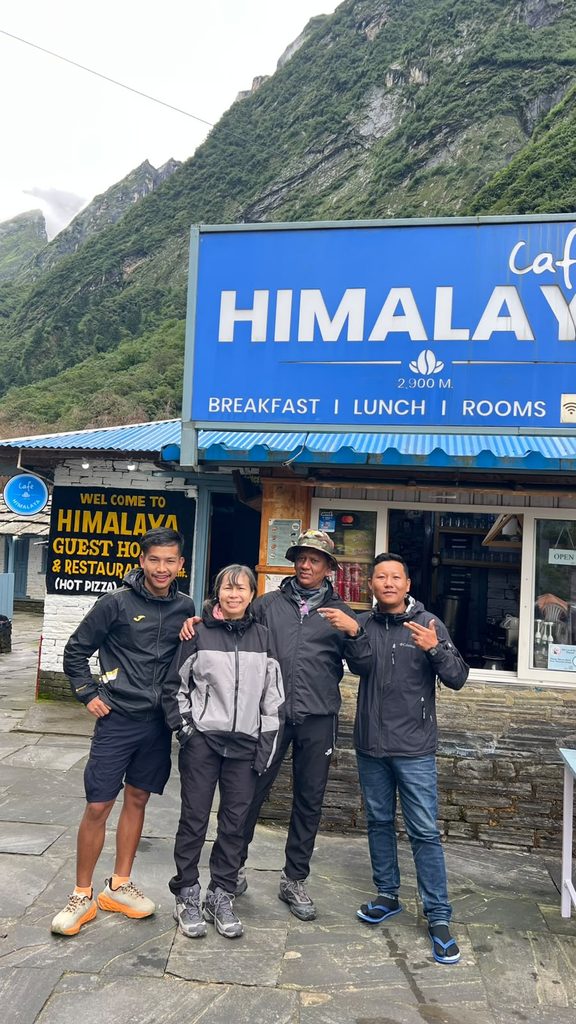
The landscape during this season is incredibly green and lush. Waterfalls, rivers, forests, and rice fields become especially beautiful. Another advantage is that there are fewer trekkers on the trail, providing a quieter and more peaceful experience.
Trekkers choosing the monsoon season should carry a good rain jacket, waterproof backpack cover, waterproof trekking boots, and extra protection for electronic equipment.
Which Month Is Best for Annapurna Base Camp?
March: Cool temperatures with the beginning of spring. Rhododendrons start blooming at lower elevations.
April: One of the best months for trekking, with pleasant weather, beautiful flowers, and good mountain views.
May: Warmer temperatures and colorful landscapes. Mountain visibility can vary later in the day.
June: Beginning of the monsoon season, with increasing rainfall.
July: Generally wet, with lush green scenery and fewer trekkers.
August: Continued monsoon conditions, although trekking remains possible with good preparation.
September: The monsoon begins to retreat, and trekking conditions gradually improve.
October: One of the best months, with stable weather and excellent Himalayan views.
November: Cool, generally dry conditions and clear mountain scenery.
December: Colder temperatures, especially at higher elevations, but quieter trails.
January: Coldest period, with possible snow at higher elevations.
February: Cold but gradually becoming warmer toward the end of the month.
Best Time for Clear Mountain Views
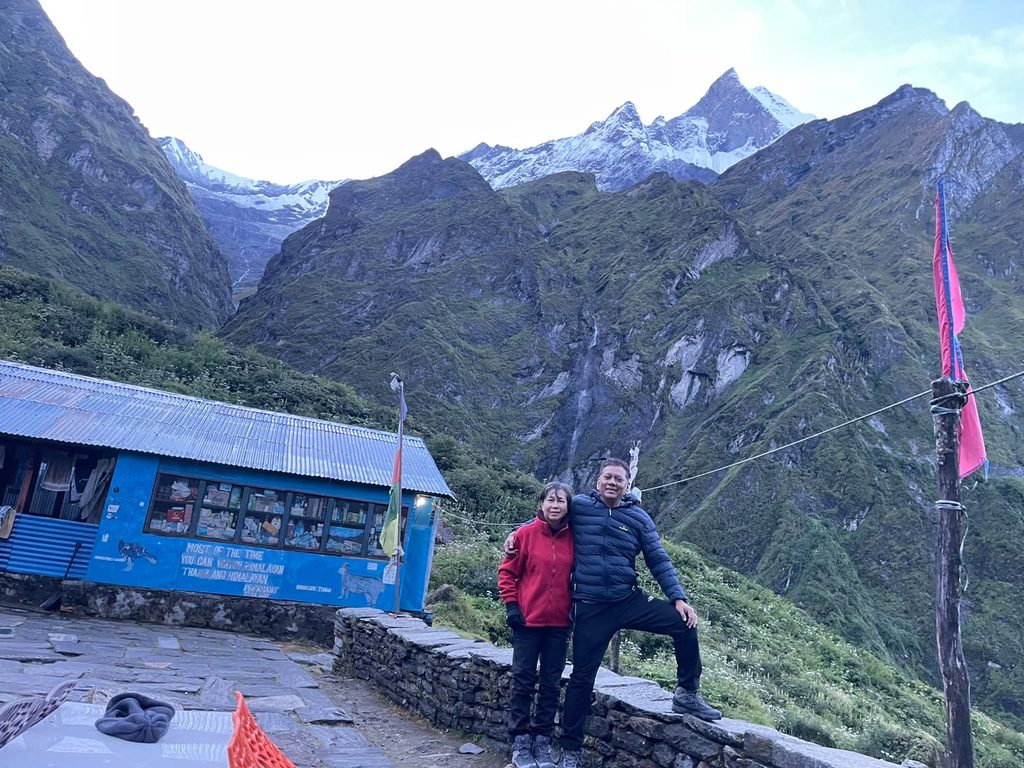
If your main priority is clear Himalayan mountain views, autumn and spring are generally the best choices. Early mornings often provide the clearest conditions, so starting your trek early each day can give you excellent opportunities to see the mountains.
October and November are particularly popular among trekkers who want spectacular views throughout the journey.
Best Time for Fewer Crowds
If you prefer quieter trails and fewer tourists, consider winter or the monsoon season. These seasons have fewer trekkers than the peak spring and autumn months.
However, fewer visitors also means you need to be more prepared for colder temperatures or rainy weather, depending on the season.
Best Time for Photography
The Annapurna Base Camp Trek is a photographer’s dream throughout the year. However, spring and autumn are particularly good for photography because of the combination of mountain scenery, landscapes, forests, villages, and generally favorable weather.
Spring offers colorful rhododendron forests, while autumn often provides clear skies and impressive Himalayan panoramas.
Our Recommendation
For first-time trekkers visiting Nepal, we recommend planning the Annapurna Base Camp Trek between March and May or September and November.
These seasons provide an excellent balance of weather, trail conditions, mountain views, and overall trekking experience.
That said, the best season ultimately depends on your personal preferences, travel schedule, and trekking experience. With proper preparation and an experienced local guide, Annapurna Base Camp can be an unforgettable adventure in almost every season.
Nepal Tour & Treks P. Ltd is a locally operated trekking company based in Thamel, Kathmandu. Our experienced local guides provide professional support, practical advice, and personalized service throughout your Annapurna Base Camp adventure.
Ready to explore Annapurna Base Camp? Plan your trek with us and experience the Himalayas with a local expert guide.